
General Electric Dryer Parts
-
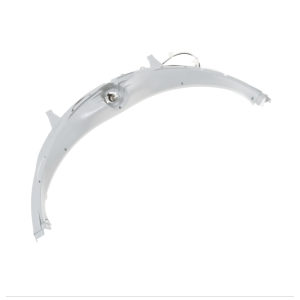 WE03X25217 General Electric Dryer Top BearingMFG Number: WE03X25217Special Price $62.99 List Price $84.99 Save 26%
 -
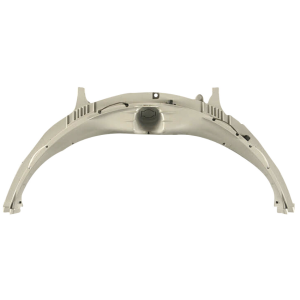 WE03X25314 General Electric Dryer Bearing Top AssemblyMFG Number: WE03X25314Special Price $51.99 List Price $83.99 Save 38%
 -
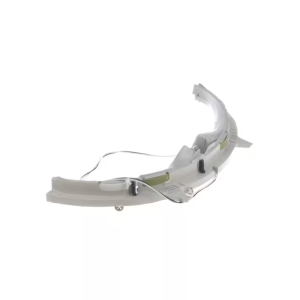 WE03X25576 GE Dryer Drum Support BearingMFG Number: WE03X25576Special Price $63.99 List Price $103.99 Save 38%
 -
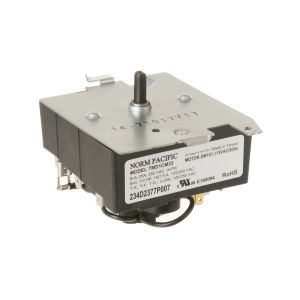 WE04X25586 General Electric Dryer TimerMFG Number: WE04X25586Special Price $70.99 List Price $112.99 Save 37%
 -
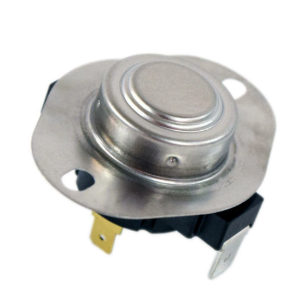 WE04X26216 General Electric ThermostatMFG Number: WE04X26216Special Price $22.99 List Price $37.99 Save 39%
 -
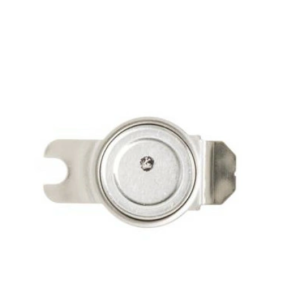 WE04X26138 GE electric dryer high limit thermostatMFG Number: WE04X26138Special Price $7.99 List Price $10.99 Save 27%
 -
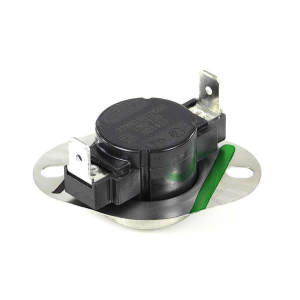 WE04X26214 General Electric Dryer ThermostatMFG Number: WE04X26214Special Price $10.99 List Price $17.99 Save 39%
 -
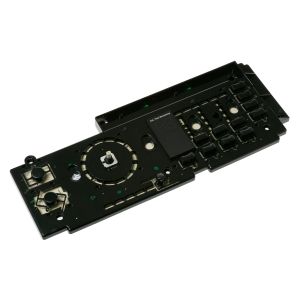 WE22X35978 General Electric Dryer Main Control BoardMFG Number: WE22X35978Special Price $174.99 List Price $239.99 Save 27%
 -
 WE1M857 General Electric Dryer Timer KnobMFG Number: WE1M857Special Price $12.99 List Price $19.99 Save 35%
 -
 WH1X2756 General Electric Dryer Control KnobMFG Number: WH1X2756Special Price $7.99 List Price $39.99 Save 80%
 -
 WE4X584 General Electric High Limit Thermostat for DryersMFG Number: WE4X584Special Price $11.99 List Price $18.99 Save 37%
 -
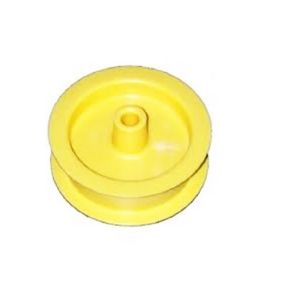 WE12X81 General Electric Dryer Idler PulleyMFG Number: WE12X81Special Price $12.99 List Price $18.99 Save 32%
 -
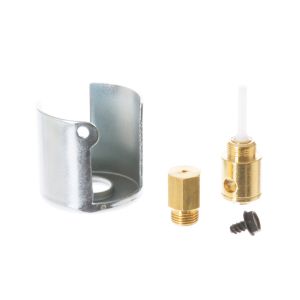 WE25X217 General Electric Dryer Conversion Kit: Natural Gas to Liquid PropaneMFG Number: WE25X217Special Price $52.99 List Price $81.99 Save 35%
 -
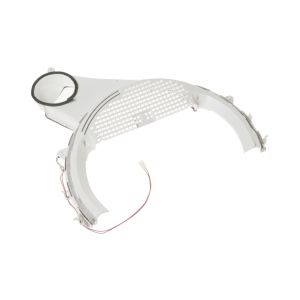 WE14M119 General Electric Dryer Front Bulkhead and Complete Duct Trap AssemblyMFG Number: WE14M119Special Price $174.99 List Price $196.99 Save 11%
 -
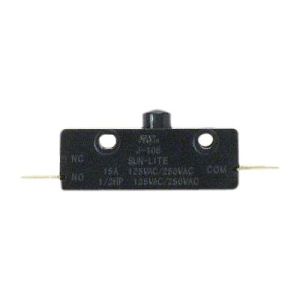 WD21X10261 General Electric Interlock SwitchMFG Number: WD21X10261Special Price $16.99 List Price $30.99 Save 45%
 -
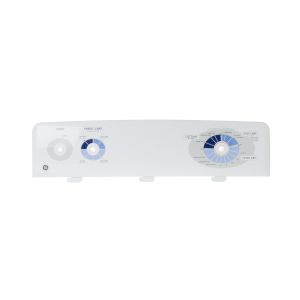 WE19M1490 General Electric Dryer Control PanelMFG Number: WE19M1490Special Price $125.99 List Price $155.99 Save 19%
 -
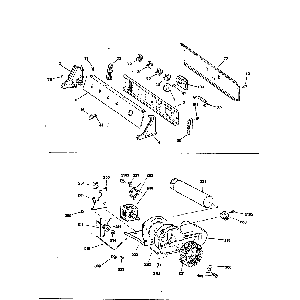 WE2X329 General Electric Dryer NutMFG Number: WE2X329Special Price $4.99 List Price $6.99 Save 29%
 -
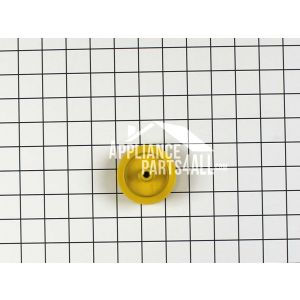 WE12X83 General Electric Dryer Idler PulleyMFG Number: WE12X83Special Price $15.99 List Price $26.99 Save 41%
 -
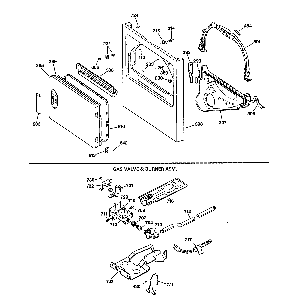 WE1X1192 General Electric Dryer Door StrikeMFG Number: WE1X1192Special Price $7.99 List Price $10.99 Save 27%
 -
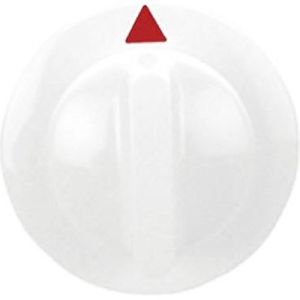 WE1X1263 General Electric Timer KnobMFG Number: WE1X1263Special Price $16.99 List Price $17.99 Save 6%
 -
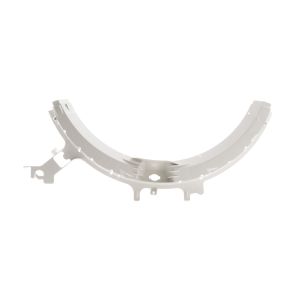 WE14M124 General Electric Dryer Drum Support BearingMFG Number: WE14M124Special Price $62.99 List Price $98.99 Save 36%
 -
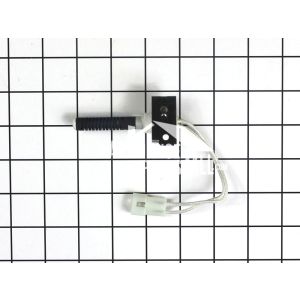 WE4X739 General Electric Dryer Igniter Assembly Complete with a Bracket and Wire HarnessMFG Number: WE4X739Special Price $77.99 List Price $126.99 Save 39%
 -
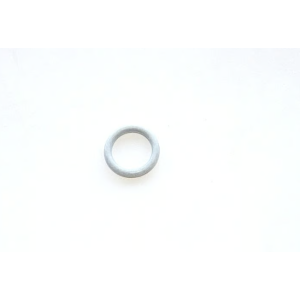 WE1M461 General Electric Dryer Retainer O-RingMFG Number: WE1M461Special Price $8.99 List Price $11.99 Save 25%
 -
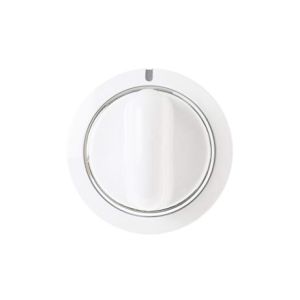 WE01X10168 General Electric Dryer Timer KnobMFG Number: WE01X10168Special Price $41.99 List Price $66.99 Save 37%
Dryer repairs get confusing when every problem is treated as “something is wrong with the dryer.” In reality, most failures fall into a few repeatable symptom pathways: the dryer won’t start, it tumbles but doesn’t heat, it takes too long to dry, or it makes new noises while the drum turns. Choosing a part becomes much easier when the repair starts with that pathway rather than with a photo match. This category focuses on ge dryer parts organized around those high-impact complaint patterns, so the search begins with what the machine is failing to do.
GE has multiple product lines that share similar styling across years, which is why compatible parts can vary even between dryers that look almost identical. Listings may also use broader grouping language. In many catalogs, ge appliances dryer parts appears as an umbrella label across GE family configurations. The phrase is useful for browsing, but correct selection still depends on matching the exact model platform and revision.
No Heat vs Long Dry Times: Two Similar Complaints with Different Root Causes
A dryer that produces no heat is a different pathway than a dryer that produces some heat but takes far longer than normal to finish loads. The second complaint is often blamed on the heater first, but long dry times frequently point to airflow and exhaust performance. When air can’t move through the drum and out of the vent efficiently, moisture removal slows down dramatically. That can make a functioning heater feel “weak,” because the dryer can’t exchange humid air for fresh air at the rate it needs.
By contrast, a true no-heat complaint tends to be more consistent: the dryer runs through cycles but clothes remain cool and damp every time. Even then, heat issues can be influenced by safety behavior that limits temperature if conditions are abnormal. The practical advantage of separating these two pathways is that it prevents replacing heat components when the real bottleneck is airflow, and it prevents chasing vent conditions when the dryer is clearly not generating heat at all.
No Tumble, Squealing, or Thumping: When the Drive System Is the Story
If the dryer powers on but the drum doesn’t move, or if it moves with a new sound, the drive system becomes the primary pathway. A classic sign is a motor that seems to run while the drum stays still, which points to belt and drive-tension behavior. Noise complaints often show patterns: squealing that changes with load size, a thump that repeats at a steady rhythm, or rough rotation that wasn’t present before. These symptoms usually come from wear in the mechanical path that supports and turns the drum, not from electronics.
Treating noise and tumbling complaints as mechanical pathways helps reduce expensive trial-and-error ordering. Mechanical wear problems are often visible in the way the symptom behaves: consistent noises at startup, repeating thumps per rotation, or sudden loss of drum movement. Those details are more diagnostic than brand name alone.
Won’t Start or Stops Early: Start-Safety, Switches, and Control Behavior
A dryer that won’t start can look like a “big failure,” but the pathway is often about start conditions rather than major components. Start failures tend to involve safety interlocks and switches that confirm the dryer is safe to run. When the dryer is powered but refuses to begin a cycle, the decision pathway becomes: is the unit getting power correctly, is the start condition being recognized, and is the selected cycle being executed as expected.
Early stops can be misleading. A dryer may start normally and then stop because it detected abnormal conditions, because a safety pathway interrupted it, or because the control logic is behaving inconsistently. The more consistent the stage of failure, the more likely the pathway is repeatable and tied to one system. When the stop feels random, it can be a sign of an intermittent signal, a switch that is inconsistent, or a control behavior issue.
How to Reduce Wrong Orders on GE Platforms: Model Labels and Revision Notes
GE dryers can have revision changes where a part number updates even though the appliance looks the same. That’s why model identification matters. Model labels are often located around the door opening, on the door frame area, or on a rear panel depending on configuration. The most reliable ordering path is to use the full model information to narrow the search, then confirm part-number notes such as “replaces” references that indicate updated versions approved for the same platform.
Another practical strategy is to avoid overfitting to photos. Two parts can look close while having different connector orientations or mounting styles. The goal is to match the part family to the symptom pathway first, then use model and compatibility notes to confirm the exact version.
FAQ
Where is the model number typically found on a GE dryer?
Model information is commonly located around the door opening area, on the inner door frame, or on the rear panel. Recording the full model number helps narrow selections to the correct platform and revision.
What’s the difference between ge dryer parts and ge appliances dryer parts in listings?
The first phrase is often used as a direct category label, while the second is a broader umbrella grouping across GE family product lines. Fit still depends on matching the exact model and revision.
Dryer tumbles but has no heat—what part families are usually involved?
No-heat complaints typically align with the heat-generation pathway and safety-related cutoffs that can interrupt heating. Confirming whether the issue is consistent across cycles helps distinguish true no-heat from airflow-related slow drying.
Dryer takes too long to dry—what should be evaluated first?
Long dry times frequently relate to airflow and exhaust performance. When air exchange is restricted, moisture removal slows dramatically, making the dryer feel underpowered even when heat exists.
Dryer won’t tumble—what pathways are most likely?
A no-tumble complaint usually points to the drive pathway: the parts that transfer motion from the motor to the drum and the components that support smooth rotation under load.
What causes squealing or thumping noises during operation?
Squealing often relates to wear in the drive path, while thumping can relate to drum-support wear or a repeating rotation issue. The repeating pattern of the sound often helps distinguish which mechanical family is most likely.
How can compatibility be confirmed before ordering?
Use the full model information to narrow compatible options, then verify part-number details and any “replaces” notes. This approach reduces wrong orders when GE has multiple revisions of similar-looking assemblies.