
General Electric Dishwasher Parts
-
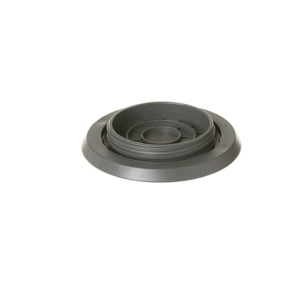 WD24X20586 General Electric Dishwasher Vent CoverMFG Number: WD24X20586Special Price $7.99 List Price $9.99 Save 20%
 -
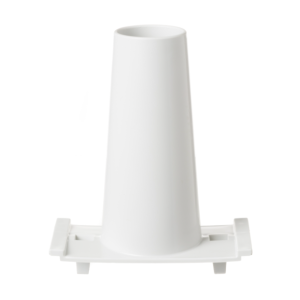 WD28X10367 General Electric Dishwasher Tower Upper RackMFG Number: WD28X10367Special Price $10.99 List Price $14.99 Save 27%
 -
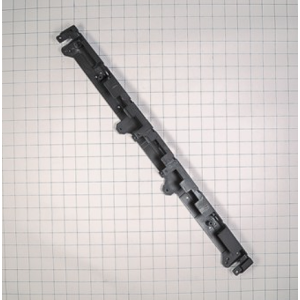 WD12X20184 General Electric Console Top ControlMFG Number: WD12X20184Special Price $8.99 List Price $12.99 Save 31%
 -
 WD12X24637 General Electric Detergent ModuleMFG Number: WD12X24637Special Price $59.99 List Price $80.99 Save 26%
 -
 WD21X22830 General Electric Dishwasher Turbidity SensorMFG Number: WD21X22830Special Price $18.99 List Price $29.99 Save 37%
 -
 WD18X21754 GE Dishwasher Diverter Assembly KitMFG Number: WD18X21754Special Price $17.99 List Price $20.99 Save 14%
 -
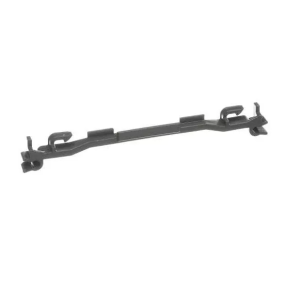
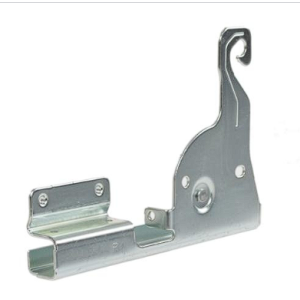 WD14X23738 General Electric Dishwasher Right Hand HingeMFG Number: WD14X23738Special Price $24.99 List Price $40.99 Save 39%
 -
-
 WD28X35779 GE Dishwasher Upper RackMFG Number: WD28X35779Special Price $57.99 List Price $93.99 Save 38%
 -
 WD21X31911 GE Dishwasher Configured MC BoardMFG Number: WD21X31911Special Price $126.99 List Price $168.99 Save 25%
 -
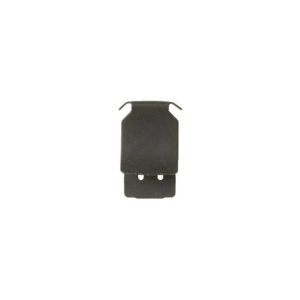 WB2X2030 General Electric Range/Stove/Oven/Microwave RetainerMFG Number: WB2X2030Special Price $12.99 List Price $20.99 Save 38%
 -
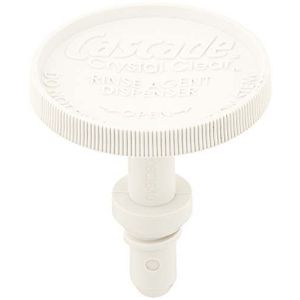 WD12X10284 General Electric Dishwasher Rinse Aid Dispenser CapMFG Number: WD12X10284Special Price $15.99 List Price $23.99 Save 33%
 -
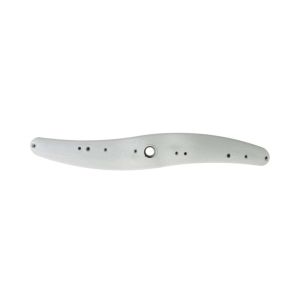 WD22X10048 General Electric Center Wash Arm AssemblyMFG Number: WD22X10048Special Price $14.99 List Price $22.99 Save 35%
 -
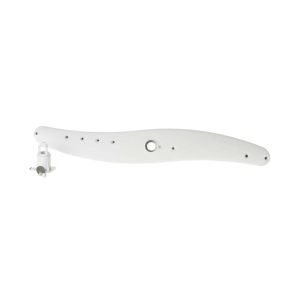 WD35X10054 General Electric Middle Spray Arm KitMFG Number: WD35X10054Special Price $28.99 List Price $42.99 Save 33%
 -
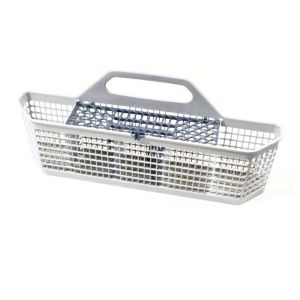 WD28X10177 General Electric Dishwasher Silverware BasketMFG Number: WD28X10177Special Price $23.99 List Price $34.99 Save 31%
 -
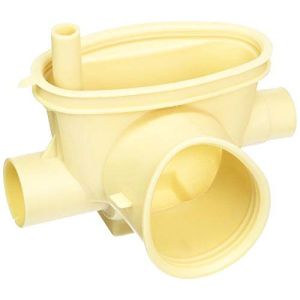 WD18X10026 General Electric Dishwasher Pump HousingMFG Number: WD18X10026Special Price $29.99 List Price $36.99 Save 19%
 -
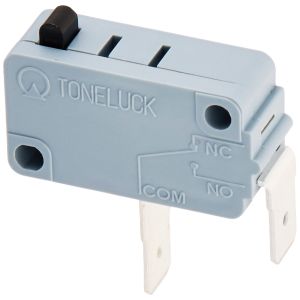 WD21X10224 General Electric Interlock SwitchMFG Number: WD21X10224Special Price $13.99 List Price $19.99 Save 30%
 -
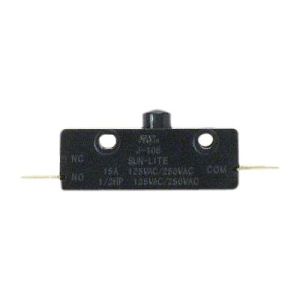 WD21X10261 General Electric Interlock SwitchMFG Number: WD21X10261Special Price $16.99 List Price $30.99 Save 45%
 -
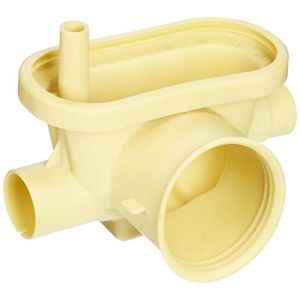 WD18X10008 General Electric Dishwasher SumpMFG Number: WD18X10008Special Price $26.99 List Price $33.99 Save 21%
 -
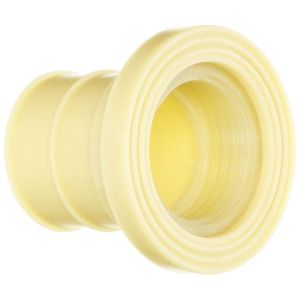 WD18X10010 General Electric Dishwasher Pump ConnectorMFG Number: WD18X10010Special Price $28.99 List Price $46.99 Save 38%
 -
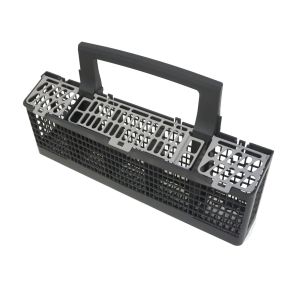 WD28X24469 General Electric Silverware Basket for DishwasherMFG Number: WD28X24469Special Price $21.99 List Price $35.99 Save 39%
 -
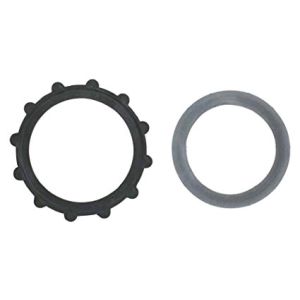 WD19X44 General Electric Dishwasher Nut and Gasket for Spray Arm SupportMFG Number: WD19X44Special Price $38.99 List Price $62.99 Save 38%
 -
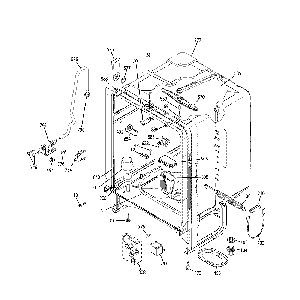
-
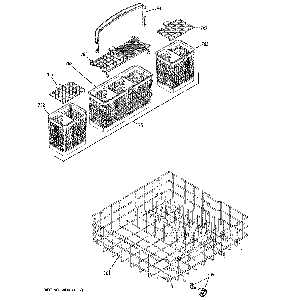 WD12X10074 General Electric Dishwasher Dishrack RollerMFG Number: WD12X10074Special Price $11.99 List Price $18.99 Save 37%
Dishwasher repairs get expensive when the first purchase is a guess. GE dishwashers are a good example of why: models can look similar on the outside while using different internal layouts, connectors, and assemblies across platform families and production revisions. The cleanest way to reduce wrong orders is to identify the failure pathway first—drain, wash performance, leaks, or heating/drying—then narrow the selection to the exact model platform. This category is built around ge dishwasher parts that support that symptom-first approach instead of forcing a trial-and-error shopping process.
Because GE has multiple lines and sub-brands under one umbrella, shoppers also see listings that use broader phrasing. In many catalogs, ge appliances dishwasher parts is used as a grouping term that covers multiple GE family models. The phrase is useful for browsing, but correct fit still depends on matching the specific unit and revision. A reliable approach is to start with what the dishwasher is failing to do and then verify the part family against the model identification.
The Three Most Common Complaint Pathways: Not Draining, Not Cleaning, Leaks
Most dishwasher repairs can be traced to one of three stories. The first is drainage: water remains in the tub, the unit pauses near the end, or it finishes but leaves standing water. Drain problems can come from a restricted path or a worn component that can’t move water consistently under load. The key cue is repeatability: if the failure occurs at the same stage every time, the drain pathway becomes the primary focus.
The second story is wash performance: dishes come out with residue, the same areas are repeatedly missed, or the dishwasher runs but results are inconsistent. That pathway usually points to how water is circulating and where spray coverage is blocked or weakened. Wash performance complaints often feel like “detergent problems,” but they’re frequently about distribution and filtration conditions.
The third story is leaks: moisture around the door edge, water under the cabinet, or seepage that appears only on certain cycles. Leaks tend to be about sealing surfaces, door alignment, and hose connections. A dishwasher can drain and clean properly while still leaking, so leaks are best treated as their own pathway rather than as a side effect of a pump problem.
Framing the repair as one primary pathway prevents overbuying. It also helps separate simple issues from component failures, which is where many wrong orders originate.
Heating and Drying: Why Some GE Models Behave Differently by Series
Drying complaints are common because the end result is obvious: dishes come out cool, wet, or with lingering water on plastics. Heating and drying performance can differ by series and configuration, so symptoms should be interpreted in context. Some models rely more heavily on cycle design and water temperature management, while others have more direct serviceable heating components. A “runs but doesn’t dry” complaint is not always a single-part story, which is why it helps to confirm the model family before deciding which part category is most likely.
When heating-related behavior is suspected, the goal is to confirm whether the dishwasher is actually failing to heat water, failing to execute the intended drying portion of the cycle, or failing earlier and leaving excess water behind that later reads as “bad drying.” These are different pathways that can look similar at the end of a cycle.
Ordering with Confidence: Model Labels, Revision Breaks, and “Replaces” Numbers
GE model platforms can have revision breaks where a part changes but the appliance name stays similar. That’s why model identification is more than a formality; it’s the mechanism that separates compatible assemblies from lookalike versions. Model labels are usually located on the inner edge of the door, around the tub opening, or on the frame visible when the door is open. Capturing the full model information, including suffixes, helps narrow results to the correct platform and reduces the risk of ordering a part that fits a different revision.
“Replaces” notes matter because parts are often updated over time. A newer part number can be approved as a replacement for an older one, but only for certain model platforms. Using compatibility notes and revision markers is especially important for electronic components, where connectors and logic variants can differ across similar-looking units.
A final practical point is to treat kits as intentional, not as a marketing upsell. Some repairs require multiple pieces to restore proper sealing, alignment, or function. When a kit is specified for a certain model family, it often exists because the fix depends on the combination of parts rather than a single component.
FAQ
Where is the model number typically located on a GE dishwasher?
Model information is commonly found along the inner edge of the door or around the tub opening when the door is open. Some units place the label on the frame area that becomes visible only when the door is fully opened.
What’s the difference between ge dishwasher parts and ge appliances dishwasher parts on listings?
The first phrase is usually a direct category label, while the second is often used as a broader umbrella that covers multiple GE family lines. The correct fit still depends on the specific model platform and revision.
Dishwasher won’t drain—what part families are most commonly involved?
Drain pathway issues often involve the components that move water out of the tub and the parts that connect that path to the household drain. Restrictions and worn components can produce similar symptoms, so identifying repeatable stage failures helps narrow the likely family.
Dishes still look dirty after a full cycle—where should the diagnosis start?
Wash performance issues often begin with water distribution and filtration conditions. If certain areas are repeatedly missed, the issue is frequently coverage-related rather than detergent-related. Observing which items remain dirty helps clarify the pathway.
What typically causes leaks around the door or under the dishwasher?
Leaks can be caused by worn sealing surfaces, door alignment problems, or compromised hose connections. Because leaks can occur even when the dishwasher otherwise performs well, they’re best treated as their own symptom pathway.
Why do some repairs require a kit instead of a single part?
Some fixes depend on matched pieces that restore alignment or sealing together. When the manufacturer or catalog specifies a kit, it’s often because the repair outcome depends on the full set rather than one component.
How can compatibility be confirmed when GE has multiple revisions of the same part?
Using the full model number, including suffixes, narrows to the correct platform. Compatibility notes, “replaces” references, and diagrams (when available) help confirm the exact part version approved for that revision.