
Frigidaire Washer Parts
-
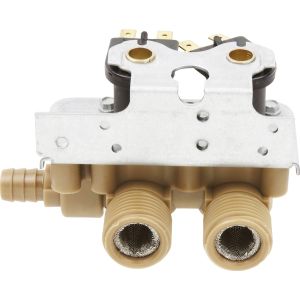 134190200 Frigidaire Water Inlet Valve AssemblyMFG Number: 134190200Special Price $92.99 List Price $127.99 Save 27%
 -
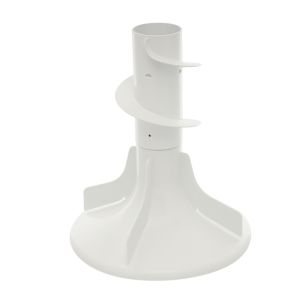 131605901 Frigidaire Washing Machine Agitator AssemblyMFG Number: 131605901Special Price $106.99 List Price $145.99 Save 27%
 -
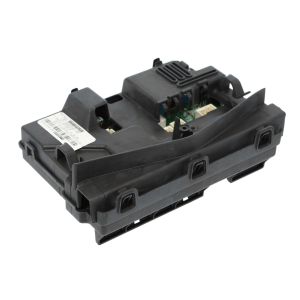 5304505520 Electrolux Washing Machine Main Control BoardMFG Number: 5304505520Special Price $138.99 List Price $176.99 Save 21%
 -
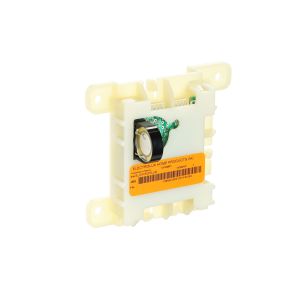 5304500456 Frigidaire Control Board for Washer/Dryer ComboMFG Number: 5304500456Special Price $119.99 List Price $159.99 Save 25%
 -
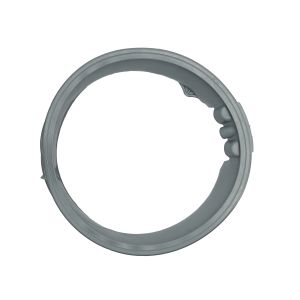 5304505004 Frigidaire Washing Machine Bellows (Door Boot Seal)MFG Number: 5304505004Special Price $69.99 List Price $101.99 Save 31%
 -
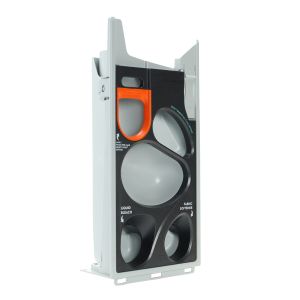 5304514792 Electrolux Dispenser Drawer for Washing MachineMFG Number: 5304514792Special Price $49.99 List Price $80.99 Save 38%
 -
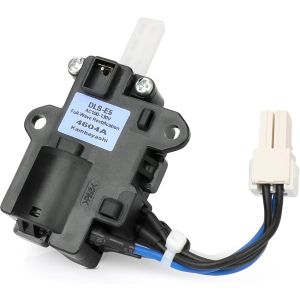 5304511338 Frigidaire Lid Lock Assembly for Washing MachineMFG Number: 5304511338Special Price $70.99 List Price $95.99 Save 26%
 -
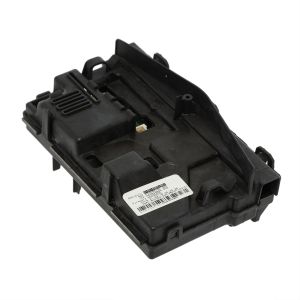 5304515626 Frigidaire Main Power Control Board for Washing MachinesMFG Number: 5304515626Special Price $139.99 List Price $184.99 Save 24%
 -
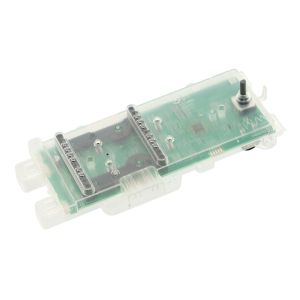 5304523182 Frigidaire User Interface Control Board for WasherMFG Number: 5304523182Special Price $127.99 List Price $173.99 Save 26%
 -
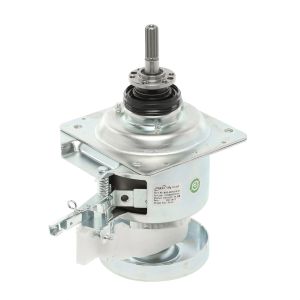 5304516133 Frigidaire Washer Clutch BodyMFG Number: 5304516133Special Price $359.99 List Price $495.99 Save 27%
 -
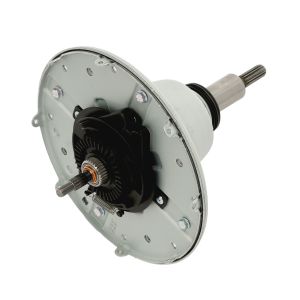 5304517318 Frigidaire Washer/Dryer TransmissionMFG Number: 5304517318Special Price $168.99 List Price $219.99 Save 23%
 -
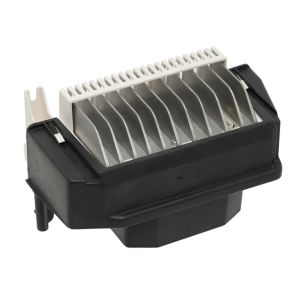 5304515236 Electrolux Washer Motor Control BoardMFG Number: 5304515236Special Price $162.99 List Price $230.99 Save 29%
 -
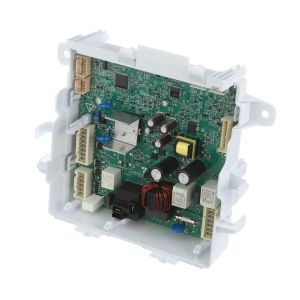 5304524465 Frigidaire Control Board for Washer and DryerMFG Number: 5304524465Special Price $167.99 List Price $217.99 Save 23%
 -
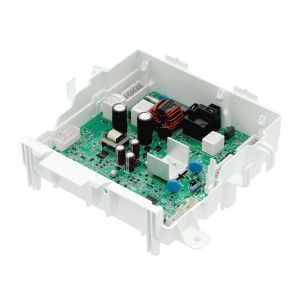 5304526220 Frigidaire Main Control Board for Washer/Dryer ComboMFG Number: 5304526220Special Price $169.99 List Price $211.99 Save 20%
 -
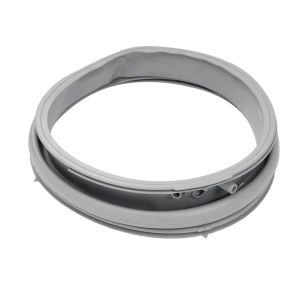 140004669051 Electrolux Washer Door Boot Seal (Bellows)MFG Number: 140004669051Special Price $85.99 List Price $96.99 Save 11%
 -
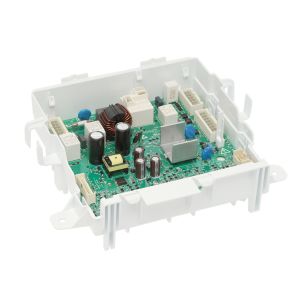 5304530033 Frigidaire Main Control Board for Washer and DryerMFG Number: 5304530033Special Price $175.99 List Price $232.99 Save 24%
 -
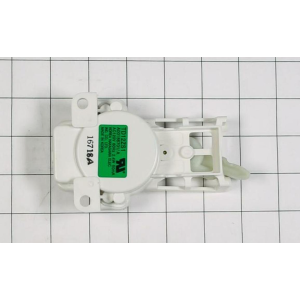 5304536495 Frigidaire Washer Actuator MotorMFG Number: 5304536495Special Price $20.99 List Price $27.99 Save 25%
 -
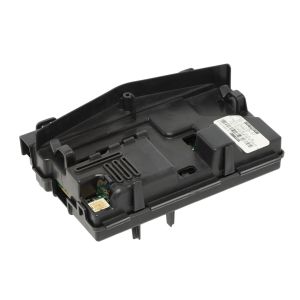 5304529479 Frigidaire Washer Main Control BoardMFG Number: 5304529479Special Price $174.99 List Price $229.99 Save 24%
 -
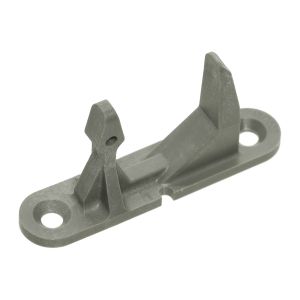 131763302 Frigidaire Washing Machine Door StrikeMFG Number: 131763302Special Price $18.99 List Price $22.99 Save 17%
 -
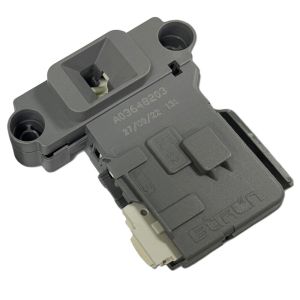 5304514774 Frigidaire Washing Machine Door Lock AssemblyMFG Number: 5304514774Special Price $63.99 List Price $88.99 Save 28%
 -
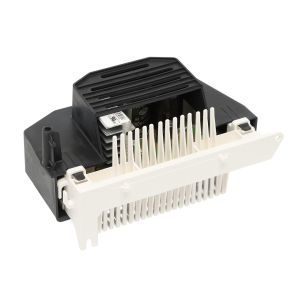 5304505521 Frigidaire Motor Control BoardMFG Number: 5304505521Special Price $152.99 List Price $241.99 Save 37%
 -
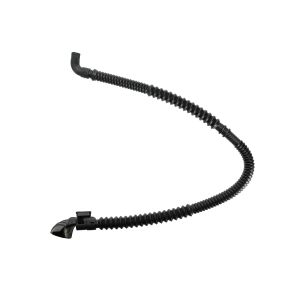 5304533220 Frigidaire Washer/Dryer HoseMFG Number: 5304533220Special Price $11.99 List Price $13.99 Save 14%
Washer failures often feel random because the machine can still power on, fill briefly, or spin for a moment before stopping. In reality, most breakdowns cluster into four symptom pathways: the washer can’t drain, it can’t fill properly, it can’t spin smoothly, or it can’t complete a cycle because a safety lock or control function interrupts it. This category is organized around frigidaire washing machine parts that map to those pathways, so the repair starts with what the washer is failing to do rather than with a guess based on a photo.
A useful way to approach shopping is to choose one primary complaint. “Water left in the drum” is a drain pathway. “Door won’t unlock” is a safety-lock pathway. “Banging and walking” is a movement pathway. “Stops mid-cycle” may be control or water-path related depending on what happens immediately before the stop. Once that primary pathway is clear, part selection becomes much more targeted and compatibility checks become easier to complete.
Won’t Drain or Leaves Water in the Drum: Drain Pathway Repairs
Drain failures tend to show up as standing water after a cycle, long pauses during the drain step, or repeated drain-related error behavior. Because the washer protects itself from spinning with too much water, drainage problems can prevent the cycle from finishing normally. When basic cleaning and hose checks don’t match the symptom, frigidaire washer drain pump replacement becomes a logical part category to review. The pump is the component responsible for moving water out of the tub reliably, and when it weakens, draining becomes slow or inconsistent.
Drain problems can also cause secondary issues. If the washer can’t remove water efficiently, it may stop mid-cycle or refuse to transition into the final spin. That can look like a “control problem,” but it’s often a water-removal problem. For that reason, symptom-first selection typically outperforms broad browsing for frigidaire washer replacement parts: it narrows the choice to the drain system before other categories enter the picture.
Won’t Start, Won’t Lock, or Won’t Unlock: Door Safety and Lock System
Front-load washers depend on a lock mechanism to ensure the door is secured before the unit can run at full speed. When the lock system is unreliable, the washer may refuse to start, stop abruptly, or fail to unlock when the cycle ends. These symptoms can feel inconsistent because they depend on alignment, wear, and how firmly the door closes. When the complaint tracks with door-latch behavior rather than with water movement, frigidaire washer door lock replacement becomes a focused category to explore.
Door-lock issues also create confusion because they can mimic other failures. A washer might fill and then stop, or it might act normal until it tries to transition to spin. If the machine behaves differently depending on how the door is closed, or if a door must be pressed to start, the lock pathway is often more plausible than a pump or a belt. Matching the exact lock style to the model matters because mounting and connector details vary across platforms.
Banging, Walking, or Rough Spin: Movement and Suspension Pathway
When a washer becomes noisy, shakes, or “walks,” the issue is usually about stability rather than electronics. Movement symptoms often show up with heavier loads, higher spin speeds, or a unit that has gradually become louder over time. One of the most common stabilizing components tied to this pathway is the suspension system. If the drum feels less controlled during spin, or if vibration has increased noticeably, frigidaire washer shock absorber replacement can be a relevant category because shock absorbers help dampen movement and keep the tub stable.
Some movement complaints are caused by drive-related wear. If the washer struggles to spin up smoothly, slips under load, or makes noises tied to rotation, the drive system becomes part of the diagnosis. In platforms that use a serviceable belt, frigidaire washer belt replacement can align with symptoms that suggest slipping or inconsistent rotation rather than pure suspension issues. The practical difference is how the symptom behaves: suspension issues tend to be load-sensitive and vibration-heavy, while drive issues tend to feel like weak or uneven rotation.
Fill Problems and Flow Control: When Water Enters Too Slowly or Not at All
Fill issues can range from “no water enters” to “it fills, but very slowly” or “it fills in short bursts and pauses.” These symptoms can be caused by household supply conditions, but when supply is stable and the washer’s fill behavior remains abnormal, the inlet system becomes the likely pathway. That’s where frigidaire washer water inlet valve belongs as a part category, because the valve controls how and when water enters the washer during cycle steps.
Fill behavior also affects cycle timing. If the washer can’t reach the correct level in the expected time, it may pause, retry, or stop the program. This can look like a control issue when it’s really a fill issue. Separating “water in” from “cycle logic” prevents replacing expensive components prematurely.
When the Pattern Looks Like Logic: Control as a Last-Lane Pathway
Control parts become relevant when the washer’s behavior doesn’t fit drain, fill, movement, or lock pathways. Symptoms include inconsistent responses to settings, repeated program failures without a clear water or door pattern, or behavior that changes unpredictably from run to run. When evidence points toward logic rather than mechanical function, frigidaire washer control board replacement becomes a category to evaluate after the higher-probability pathways don’t match the symptom pattern.
Control components are often revision-sensitive and benefit from careful compatibility confirmation. They also tend to be a “last-lane” repair because many issues that look like logic are actually caused by the washer protecting itself from unstable water movement or door-lock signals.
FAQ
Where is the model number located on a Frigidaire washer?
Model information is usually found around the door opening area, on the inner rim or door frame for many front-load units. Some configurations include labels on the rear panel. Capturing the full model number helps match platform-specific components.
What symptom pattern suggests a pump issue rather than a simple clog?
A clog often causes inconsistent draining that improves after cleaning. A failing pump tends to produce repeated drain failures, strained noise, or consistent inability to clear the tub at the same stage of the cycle.
Why would a washer stop mid-cycle even though it still has power?
Washers may stop to protect against conditions like incomplete drainage, abnormal fill behavior, or a door-lock signal that isn’t stable. Identifying what happens immediately before the stop helps narrow the pathway.
What causes a washer to bang or walk across the floor?
Out-of-balance loads can trigger movement, but persistent banging often points to reduced suspension control or worn damping components. Suspension issues are typically more noticeable during high-speed spin.
When does washing machine parts frigidaire searching help compared to a component-specific search?
Broad searches can be useful when the exact part category isn’t known yet. Once the symptom pathway is clear, narrowing to targeted assemblies reduces the chance of mismatches.
How can I tell if the door lock is the likely cause of a no-start problem?
Door-lock issues often show up as a washer that behaves differently depending on door pressure, fails to lock consistently, or refuses to start despite normal power. When the symptom tracks with closure behavior, the lock pathway becomes more plausible.
Can parts be ordered by part number instead of model number?
Yes. Part numbers can speed up reorders and help identify exact variants. Cross-checking against model information remains useful because revisions and superseding numbers can change what is approved.
How can compatibility be confirmed before ordering a belt, pump, or lock?
Use model information to narrow choices, then review compatibility notes such as connector style, mounting details, and any “replaces” references. This is especially important for control and lock assemblies that vary by platform.