
Frigidaire Microwave Parts
-
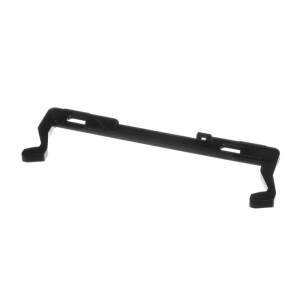 5304522796 Frigidaire Microwave Door LatchMFG Number: 5304522796Special Price $8.99 List Price $9.99 Save 10%
 -
 555030400 Frigidaire Microwave Oven MagnetronMFG Number: 555030400Special Price $141.99 List Price $178.99 Save 21%
 -
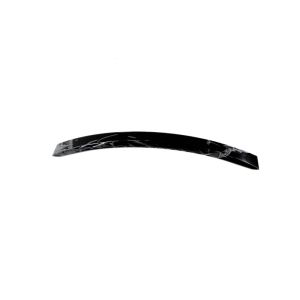 5304538965 Frigidaire Microwave Door HandleMFG Number: 5304538965Special Price $35.99 List Price $45.99 Save 22%
 -
-

-
5304532666 Frigidaire Control PanelMFG Number: 5304532666Special Price $267.99 List Price $320.99 Save 17%
Microwave issues often start with something that feels minor—an unreliable door latch, a loose handle, a cycle that stops unexpectedly—until the unit becomes unusable at the worst possible time. With Frigidaire models, the most reliable repairs come from matching the part to the exact microwave configuration, because small differences in mounting points, switch geometry, and electrical ratings can turn a simple fix into a mismatch. This category is organized for shoppers looking for frigidaire microwave replacement parts that align with common failure patterns: door-interlock behavior, power protection events, and heating complaints that affect daily cooking.
Microwaves are also different from many other appliances in one key way: the door is part of the safety system. If the door components are worn or misaligned, the microwave can refuse to start even when everything else appears normal. When the unit is completely unresponsive, power protection components become the likely pathway. And when the microwave runs but does not heat, the diagnosis shifts toward the heating system. The sections below separate those pathways so the part search is driven by symptoms that make sense.
Door Hardware and Daily Use: Handle and Latch Stress Adds Up
A microwave door takes constant mechanical load: opening, closing, pulling from different angles, and frequent use in a tight kitchen space. When the handle becomes loose, cracks, or no longer aligns with the mounting points, it can make the entire microwave feel unstable even if it still runs. In these cases, frigidaire microwave door handle replacement is often the most direct route to restore normal operation and prevent further stress on the door frame and latch components.
Door hardware problems can also create secondary symptoms. A door that closes “almost” correctly may require extra pressure to latch, and that can cause inconsistent starts or mid-cycle stops. The key is to separate a purely mechanical handle problem from an interlock problem: a handle can be damaged while the switches are still fine, or the handle can be intact while the latch mechanism is worn. Treating the door as a system—handle, latch alignment, and interlocks—helps narrow the correct category before ordering.
Won’t Start or Stops Randomly: Interlock Behavior and Door Switch Logic
One of the most frustrating microwave failures is a unit that appears normal—display works, light may come on—but the cycle won’t start consistently. This often points to the door safety circuit rather than “mystery electronics.” If the microwave behaves differently depending on how firmly the door is closed, or if it starts only after extra pressure, the interlock pathway is the most reasonable place to focus. That’s where frigidaire microwave door switch replacement becomes a practical category to review, because the door switches are designed to confirm safe closure before the microwave can run.
Interlock problems can mimic other issues. A microwave might stop mid-cycle as if it lost power, or it might fail to start even though the keypad responds. These behaviors don’t automatically mean a control problem. They frequently align with door closure signals that are intermittent due to wear, alignment changes, or switch fatigue. Matching the correct switch for the model matters because the switch type, mounting bracket, and actuator alignment can vary by series.
Completely Dead or Lost Power After an Event: Protection Components and Fuses
A microwave that suddenly goes dark—no display, no response—often follows a recognizable story: a power outage, a surge, repeated heavy use, or an internal fault that triggered protection. While a dead microwave can have multiple causes, power protection components are a common pathway because they are designed to interrupt power to prevent further damage. In situations where symptoms support a protection event, frigidaire microwave fuse replacement is often a relevant part category to consider.
A blown fuse is best understood as a protective response rather than a random failure. It can open due to an internal electrical condition, but it can also open because it did its job during a surge. This is why compatibility is more than “it fits.” Correct fuse ratings and correct physical style matter. A similar-looking part that is not an exact match can lead to repeat failures or unsafe operation. The cleanest approach is to match by the model information and confirm any part-number notes that indicate approved replacements.
Runs but Doesn’t Heat: Understanding the Heating Complaint Pathway
A microwave that runs—turntable spins, light is on, fan sounds normal—but food stays cold is a very specific symptom set. In that scenario, the failure is typically inside the heating system rather than the door safety circuit or basic power delivery. For models where diagnostics and symptom patterns align, frigidaire microwave magnetron replacement is one of the repair paths associated with “no heat” complaints, and it is also one of the most model-dependent components in a microwave.
Heating-system parts can vary by bracket design, connector orientation, and electrical specifications. Even small differences can prevent installation or cause incompatibility with the microwave’s configuration. That makes fit confirmation especially important for heating-related replacements. The most reliable way to reduce risk is to use the model information to narrow the selection and cross-check part numbers against diagram references where available.
A Clear Ordering Strategy: Choose the Pathway, Then Confirm the Exact Version
Microwave part selection becomes far simpler when the symptom is translated into a pathway. Door problems lead to door hardware and interlocks. A dead unit leads to protection and power-related checks. A running-but-not-heating complaint leads to the heating system pathway. That approach reduces “shotgun ordering,” where multiple parts are purchased because the root cause wasn’t separated from the first symptom.
It also supports better long-term outcomes. Door repairs that restore proper closure reduce the chance of repeat interlock issues. Correct power protection parts reduce the risk of repeated shutdowns. And correct heating-system matching prevents the classic mistake of ordering a component that looks right but doesn’t align with the specific mounting and configuration used in the microwave’s revision.
FAQ
Where can the model number be found on a Frigidaire microwave?
The model label is commonly located around the door opening frame or on an interior edge that is visible when the door is open. Some installations place identification on a side label. Recording the full model number helps narrow parts to the correct configuration.
Is there a parts diagram that helps identify the exact component for my microwave?
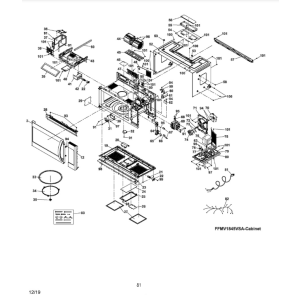
Many model lookups include an exploded-view reference that maps assemblies to part numbers. When available, diagrams reduce the chance of selecting a similar-looking component that mounts differently.
How can compatibility be confirmed before ordering a door or electrical part?
Start by filtering using the model number, then compare part-number notes, mounting details, and any “replaces” references. Door switch and fuse styles can vary by series even when the external microwave looks the same.
Which parts are most commonly replaced on Frigidaire microwaves?
Door-related components, small hardware pieces, and protection-related parts are frequent replacements because the door is used constantly and protection components respond to electrical events. Heating complaints tend to involve more model-specific components.
What is a waveguide cover and when is replacement relevant?
The waveguide cover protects internal surfaces from splatter and heat exposure. When it is damaged, stained beyond cleaning, or worn in a way that affects performance, frigidaire microwave waveguide cover replacement becomes a practical category to restore proper interior protection.
Can a microwave be searched by part number instead of model number?
Part number searches can work well, especially for reorders. Confirming the part number against the model details remains important because revisions can change brackets, connectors, or approved substitutes.
When does it make sense to consider a control board as the likely issue?
When the display and keypad behave inconsistently, settings don’t respond reliably, or the unit shows erratic control behavior that doesn’t match a door-closure pattern, frigidaire microwave control board replacement may be relevant after other pathways don’t fit the symptom pattern.