
Frigidaire Dryer Parts
-
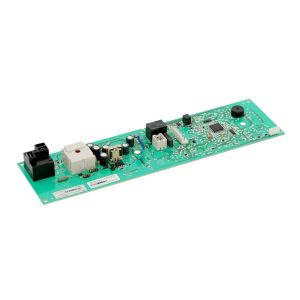 134557201NH Frigidaire Dryer Main Control Board (No Housing)MFG Number: 134557201NHSpecial Price $150.99 List Price $198.99 Save 24%
 -
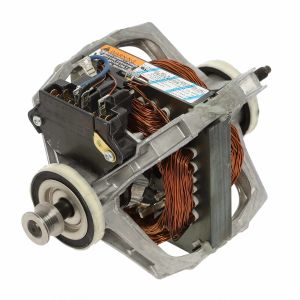 131560100 Frigidaire Dryer Drive Motor with PulleyMFG Number: 131560100Special Price $141.99 List Price $213.99 Save 34%
 -
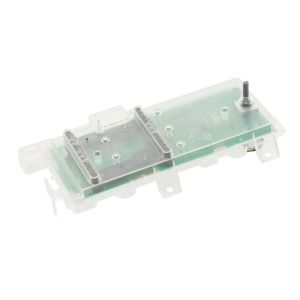 5304523183 Frigidaire Dryer User Interface Control BoardMFG Number: 5304523183Special Price $130.99 List Price $177.99 Save 26%
 -
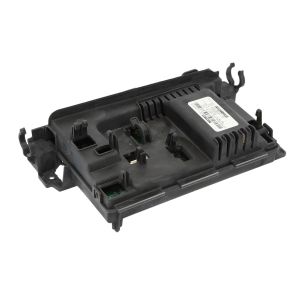 5304505522 Electrolux Dryer Main Control BoardMFG Number: 5304505522Special Price $141.99 List Price $200.99 Save 29%
 -
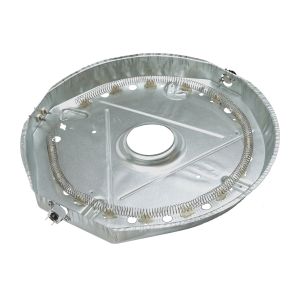 137392702 Frigidaire Dryer Heater AssemblyMFG Number: 137392702Special Price $129.99 List Price $170.99 Save 24%
 -
 5303918775 Frigidaire Refrigerator ThermistorMFG Number: 5303918775Special Price $13.99 List Price $14.99 Save 7%
 -
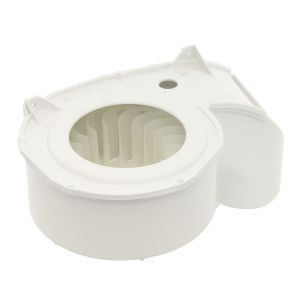 137551110 Frigidaire Dryer Blower Wheel and HousingMFG Number: 137551110Special Price $128.99 List Price $174.99 Save 26%
 -
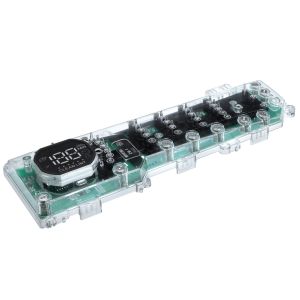 5304521515 Frigidaire Dryer Control BoardMFG Number: 5304521515Special Price $151.99 List Price $218.99 Save 31%
 -
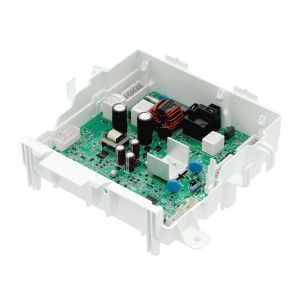 5304526220 Frigidaire Main Control Board for Washer/Dryer ComboMFG Number: 5304526220Special Price $169.99 List Price $211.99 Save 20%
 -
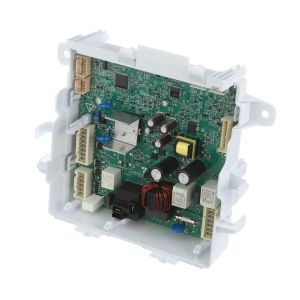 5304524465 Frigidaire Control Board for Washer and DryerMFG Number: 5304524465Special Price $167.99 List Price $217.99 Save 23%
 -
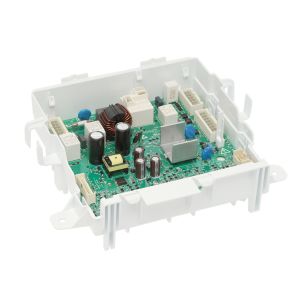 5304530033 Frigidaire Main Control Board for Washer and DryerMFG Number: 5304530033Special Price $175.99 List Price $232.99 Save 24%
 -
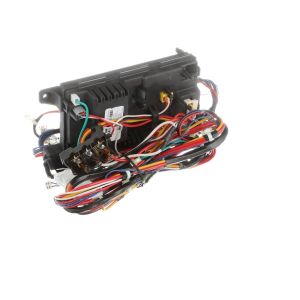 5304525687 Electrolux Dryer Main Control BoardMFG Number: 5304525687Special Price $181.99 List Price $236.99 Save 23%
 -
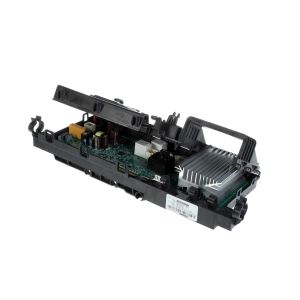 5304529910 Frigidaire Dryer Main Control BoardMFG Number: 5304529910Special Price $185.99 List Price $231.99 Save 20%
 -
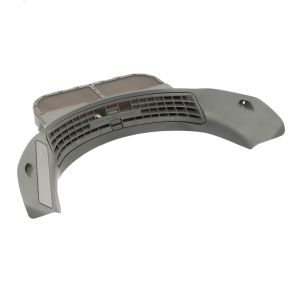 5304534450 Frigidaire Dryer Filter and Housing KitMFG Number: 5304534450Special Price $80.99 List Price $100.99 Save 20%
 -
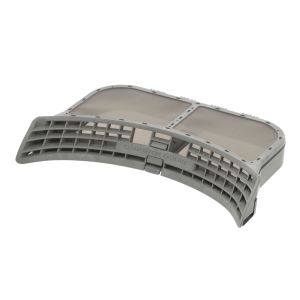 140201067026 Frigidaire Dryer Lint Filter AssemblyMFG Number: 140201067026Special Price $45.99 List Price $59.99 Save 23%
 -
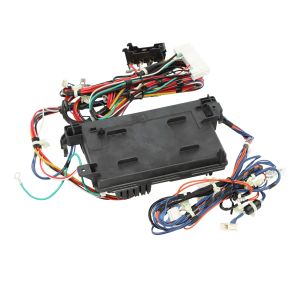 5304533199 Electrolux Dryer Main Control BoardMFG Number: 5304533199Special Price $194.99 List Price $263.99 Save 26%
 -
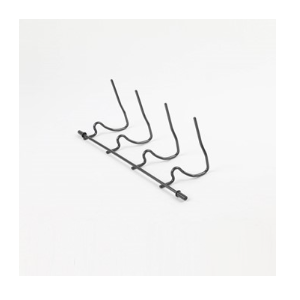 5304532950 Frigidaire Multifence (Rack Fence)MFG Number: 5304532950Special Price $13.99 List Price $14.99 Save 7%
 -
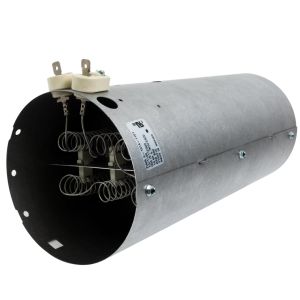 5304535760 Frigidaire Dryer Heating Element Kit, 4700 WattsMFG Number: 5304535760Special Price $67.99 List Price $90.99 Save 25%
 -
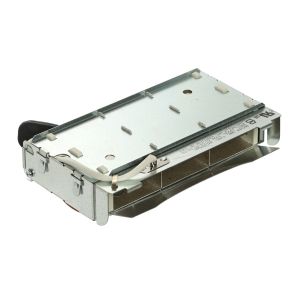 5304537407 Frigidaire Dryer HeaterMFG Number: 5304537407Special Price $97.99 List Price $118.99 Save 18%
 -
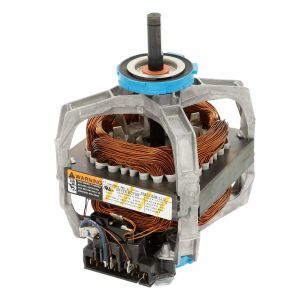 134196602 Frigidaire Dryer Drive MotorMFG Number: 134196602Special Price $93.99 List Price $117.99 Save 20%
 -
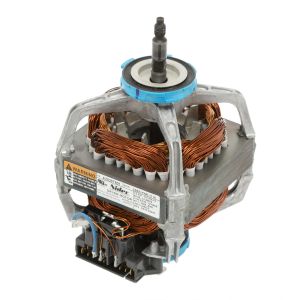 5304529782 Frigidaire Dryer Drive MotorMFG Number: 5304529782Special Price $150.99 List Price $217.99 Save 31%
 -
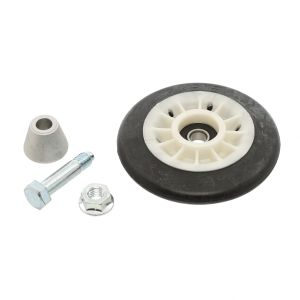 5304523155 Frigidaire Drum Support Roller and Axle AssemblyMFG Number: 5304523155Special Price $55.99 List Price $71.99 Save 22%
 -
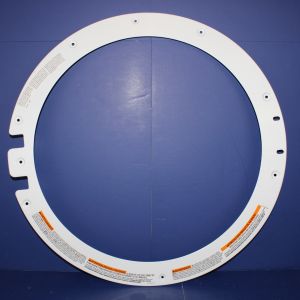 5304504994 Frigidaire Dryer Inner DoorMFG Number: 5304504994Special Price $107.99 List Price $146.99 Save 27%
 -
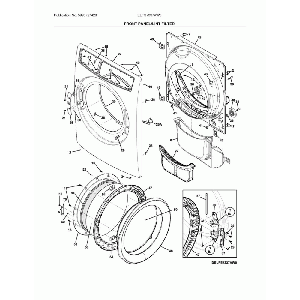 5304529790 Frigidaire Dryer Door FrameMFG Number: 5304529790Special Price $67.99 List Price $90.99 Save 25%
Dryer problems usually don’t begin with a total shutdown. They start as small changes: cycles take longer, heat feels weaker, the drum sounds rough, or the machine runs but clothes stay damp. That’s why the most reliable way to shop is by symptom and system, not by trying to match a photo. This category groups frigidaire dryer replacement parts around the components that handle three jobs every dryer depends on: generating heat, moving air, and turning the drum smoothly under load.
A good repair plan begins by identifying what the dryer is failing to do. “No heat” points toward the heat system and safety cutoffs. “No tumble” points toward the drive path. “Long dry times” often point toward airflow restrictions or heat cycling issues. Electronics become relevant when the dryer behaves inconsistently, won’t complete a cycle, or responds unpredictably to settings. The sections below map the most common complaints to the part families that typically fix them.
No Tumble, Squealing, or Thumps: The Drive System Takes the Daily Stress
When the dryer powers on but the drum doesn’t turn, or when it turns with new noises, the drive path is the natural place to focus. A worn belt can slip, squeal, or eventually snap, leaving the motor running without drum movement. In that situation, frigidaire dryer belt replacement is a common repair route, but the “belt problem” usually has context: tension, alignment, and the parts that guide the belt can matter just as much as the belt itself.
A frequent companion issue is tension hardware that’s worn down after years of cycling. When a pulley surface becomes rough, loose, or out of round, it can create noise and accelerate belt wear. That’s where frigidaire dryer idler pulley replacement often fits, particularly when squealing changes with load size or the sound is strongest at startup and then fades.
Drive-related symptoms can also show up as intermittent tumbling, jerky rotation, or a thump that repeats once per drum revolution. Those patterns usually indicate a mechanical wear issue rather than a heating or control issue. Treating drum movement and noise as a mechanical pathway keeps the part search focused and reduces “maybe” purchases.
No Heat or Heat That Drops Out: Safety Cutoffs and the Heating Path
A dryer that tumbles normally but never warms up is a different problem than a dryer that heats briefly and then stops. Most heat-related failures fall into two buckets: a component in the heating circuit failed, or the dryer is protecting itself because airflow or temperature conditions are outside the normal range.
Safety cutoffs are designed to stop heating when temperatures climb too high. When a safety device opens, it may be a sign of a deeper condition such as restricted airflow, lint buildup, or venting problems. That’s why frigidaire dryer thermal fuse replacement is often discussed as both a fix and a clue: it can restore function, but it’s also a signal to take airflow seriously so the same issue doesn’t repeat.
In electric models, the heating element is a central component when heat is absent or weak and other basics check out. When symptoms align with a heater failure, frigidaire dryer heating element replacement becomes the relevant category, especially if the dryer runs through cycles but produces little to no warmth. Heat performance is also influenced by airflow—poor exhaust can cause temperatures to spike and force cycling behavior that feels like “no heat” even when the element is functional, so heat complaints benefit from thinking in systems rather than single parts.
Gas Models: Heat Symptoms Can Look Similar but Use Different Parts
Gas dryers often show the same headline symptoms—no heat, inconsistent heat, long dry times—but the component path is different. That’s why it helps to confirm whether the unit is gas or electric before narrowing to parts. In gas units, ignition behavior and flame consistency matter, and heat output can be affected by ignition components, sensing behavior, and airflow conditions.
For shoppers dealing with gas configurations, frigidaire gas dryer parts are grouped to reflect that separate pathway. The key difference is that heat production relies on ignition and combustion rather than a single electric element, so the “no heat” story can involve different assemblies even when the user experience feels similar.
Controls and Cycle Logic: When the Dryer Runs “Wrong,” Not Just “Bad”
Mechanical wear and heat components account for many repairs, but control-related issues are common enough to deserve their own pathway. Symptoms include cycles that stop early, buttons that respond inconsistently, a dryer that won’t start despite power, or behavior that changes depending on which program is selected.
In those scenarios, the repair often moves from mechanical parts to the logic that coordinates them. When evidence points toward electronic control rather than a belt, switch, or airflow issue, frigidaire dryer control board replacement becomes relevant. Control components are typically more model-specific than wear items, and they’re most successful when the symptom pattern matches control behavior: inconsistent cycle timing, unresponsive settings, or erratic operation that doesn’t track with load size or vent conditions.
A Simple Way to Reduce Wrong Orders: Separate the Complaint into One Primary Failure
Dryer problems often feel messy because multiple symptoms can appear at once. A belt that’s slipping can create long dry times simply because the load isn’t tumbling properly. Airflow restrictions can create overheating protection events that look like a heating failure. Control behavior can mimic mechanical faults by stopping cycles before the dryer reaches stable operating conditions. The cleanest approach is to choose one primary failure: tumble, heat, airflow, or control behavior. That decision narrows the search to the parts most likely to solve the real problem.
FAQ
Where is the model number located on a Frigidaire dryer?
Most Frigidaire dryers place the identification label around the door opening area or on the door frame. Some units also include it on the rear panel. The full model information helps match parts and avoid lookalike mismatches.
What’s the difference between a belt issue and a motor issue when the drum won’t turn?
A belt issue often presents as a motor that runs while the drum stays still, sometimes with squealing or a burnt-rubber smell. A motor issue is more likely when the dryer won’t run at all or struggles to start under load.
When does frigidaire dryer timer replacement make sense compared to other fixes?
Timer-related issues often show up as cycles that won’t advance correctly, settings that don’t behave consistently, or a dryer that won’t follow the selected sequence. It’s most relevant when mechanical and heat symptoms don’t explain the behavior.
Do listings for frigidaire clothes dryer parts include both wear items and model-specific assemblies?
Yes. The category typically includes common wear components as well as assemblies that vary by model family, which is why it helps to shop by symptom first and confirm the correct version before ordering.
Why do some shoppers search dryer belt replacement frigidaire instead of the brand-first phrasing?
Both phrasings describe the same repair intent, but they can surface different listing groupings depending on filters and how product titles are structured. Using either approach can be useful when narrowing belt options.
What causes a thermal fuse to open, and how can repeat failures be avoided?
Thermal fuses usually open when temperatures exceed safe limits, often due to restricted airflow, lint buildup, or venting that isn’t exhausting properly. Addressing airflow conditions reduces the chance of repeating the same heat cutoff event.
What should be checked when a dryer heats but takes much longer than normal to dry?
Long dry times commonly relate to airflow, vent routing, and lint buildup, even when the dryer still produces heat. Load size and fabric type can amplify the issue, but persistent slow drying often points back to exhaust performance.
How can compatibility be confirmed before ordering any part?
Use the model information to narrow to the correct platform, then verify part-number notes such as “replaces” references and configuration details. This is especially important for control and ignition-related components where small differences matter.